




Safety Tips – July 24, 2026
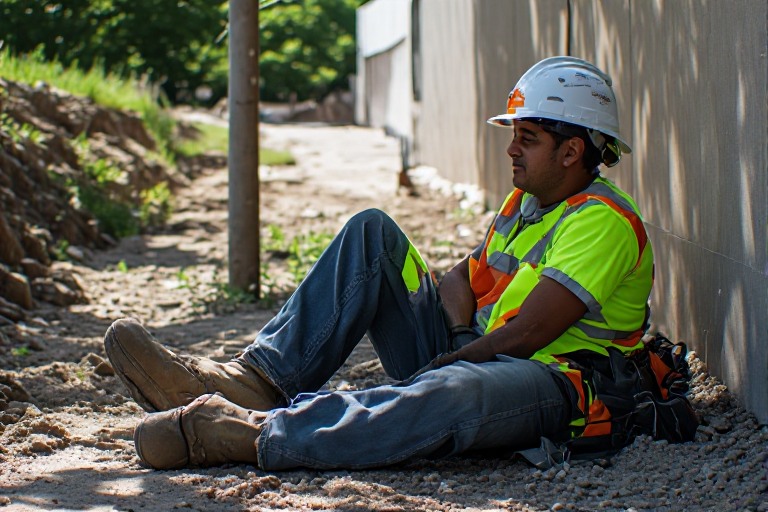
Heat Stress Symptoms and Treatment Heat stress happens when your body starts having problems regulating internal temperature…
Heat Stress Symptoms and Treatment
Heat stress happens when your body starts having problems regulating internal temperature due to high external temperatures. It may lead to heat-related illnesses like heat exhaustion and heatstroke.
Heat stress can become a health crisis. Knowing the signs of heat stress and how to prevent it can help keep you and others safe when temperatures are high.
Many people may experience heat-related illnesses during the summer months due to rising temperatures. Heat stress can also occur as a result of particular environmental conditions, such as a workplace that exposes you to higher-than-usual temperatures.
What is heat stress?
Heat stress happens when your body begins to lose the ability to control its internal temperature in response to heat. It’s not the same as simply feeling hot for a moment. It’s the first sign that your body is struggling to regulate its temperature properly.
Symptoms of early heat stress can include:
- fatigue
- thirst
- mild discomfort
Early heat stress is less severe than heat exhaustion or heatstroke, but if not managed promptly, heat stress can lead to heat-related illnesses.
Heat-related illnesses include:
- heatstroke
- heat exhaustion
- rhabdomyolysis
- heat syncope
- heat cramps
- heat rash
Heatstroke is the most severe type of heat-related illness and can cause death if treatment is delayed.
Knowing the signs of heat stress can help you notice when you or someone around you is experiencing heat stress and take prompt action to prevent it from worsening and developing into a more severe condition.
What are the symptoms of heat stress?
The symptoms of heat stress may vary depending on how severe it has become and whether it has developed into a heat-related illness.
Symptoms can include:
- muscle cramping
- fast heart rate or breathing rate
- confusion
- headache
- feeling irritable
- extreme thirst — this is a late symptom of heat stress
- pale skin
- excessive sweating or inability to sweat
- fainting
- vomiting
If you experience more severe symptoms such as vomiting, confusion, or inability to sweat despite feeling hot, these are signs that heat stress has progressed, and it’s time to get immediate medical help.
What causes heat stress?
Heat stress happens when your body becomes too hot and cannot regulate its internal temperature.
Factors affecting your risk of heat stress include:
- Health conditions: These may include diarrhea, vomiting, diabetes, heart disease, obesity, or a lack of physical fitness.
- Overexertion: Doing too much in the heat can put you at risk of heat stress. For example, not taking breaks, working, or exercising a lot.
- Medications: Some medications can affect the body’s ability to regulate temperature. These include blood pressure medications, depression medications, and diuretics.
- Environment: High temperatures, high humidity, and hot equipment are a few examples. A lack of breeze can also increase the risk.
- Poor acclimatization: For example, workers who are new or returning from time away may not have time for their bodies to adjust to the hot environments.
Other factors can also include:
- having suffered from heat illness in the past
- being dehydrated
- being over aged 60
- wearing PPE or non-breathable clothing
- having consumed alcohol in the past 24 hours
High humidity can also contribute to heat stress. You may also be more likely to feel the effects of the heat if you exercise in hot weather or spend time in a place that can heat up, such as a car.
How do you treat heat stress?
If you notice signs of heat stress, it’s important to stop what you’re doing and take a break. Make sure to rehydrate by drinking water or other fluids. Find a cool place and take off extra layers so your body can get back to its normal temperature.
Heat stress can lead to heat-related illnesses such as heat exhaustion and, more severely, heatstroke.
If someone you know is experiencing any signs of heat exhaustion, take the following steps:
- Move them to a cool place.
- Remove excess clothing, such as jackets and socks.
- Get them to drink water or a rehydration drink.
- Cool their skin with cool water or a fan. Cold packs wrapped in cloth under the armpits or on the neck can also help.
It’s important to stay with the person until they feel better. This should be within around 30 minutes. If they don’t improve within this time, it’s important to get immediate medical help. They may have heatstroke.
Don’t wait to get help if a person is unresponsive or responding incoherently. Call for medical assistance immediately.
How to prevent heat stress
Strategies you can use to help prevent heat stress include:
- staying indoors and avoiding strenuous activities during the hottest part of the day
- keeping in shaded areas
- spending 2 or 3 hours of the day in a cool area
- taking cool showers or baths
- drinking water regularly
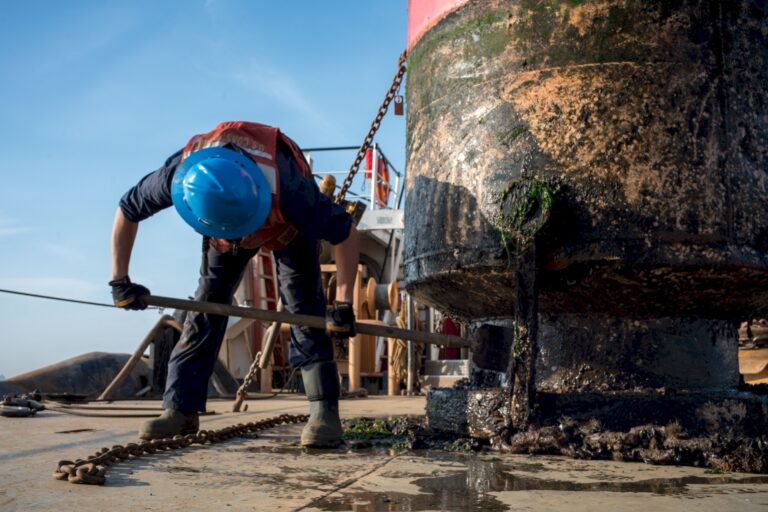
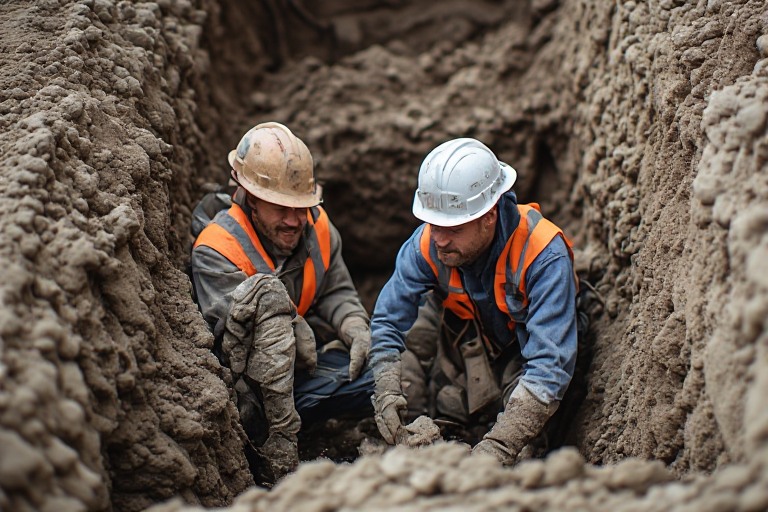
Employers can help keep their workers safe by maintaining heat safety protocols and providing access to cooler areas. Some workplaces, such as bakeries and foundries, have an increased risk due to the hot environments.
Thick work clothing, such as PPE, that retains the heat can also increase the risk of heat stress.
How to recover from heat stress?
If you spot the signs of heat stress early, you’re more likely to recover fully and prevent it from becoming more serious.
However, more serious conditions such as heatstroke are a medical emergency.
The recovery period after experiencing heat stress is important to ensure optimal healing and well-being and to help prevent complications.
Someone who has experienced heat stress may also feel more emotional, so it’s important to take the proper time and care to recover.
Síntomas y tratamiento del estrés térmico
El estrés térmico ocurre cuando tu cuerpo empieza a tener problemas para regular la temperatura interna debido a las altas temperaturas externas. Puede provocar enfermedades relacionadas con el calor como el agotamiento por calor y golpes de calor.
El estrés por calor puede convertirse en una crisis de salud. Conocer los signos del estrés térmico y cómo prevenirlo puede ayudar a mantenerte a salvo a ti y a los demás cuando las temperaturas son altas.
Muchas personas pueden experimentar enfermedades relacionadas con el calor durante los meses de verano debido al aumento de las temperaturas. El estrés térmico también puede producirse como resultado de condiciones ambientales particulares, como un lugar de trabajo que te expone a temperaturas más altas de lo habitual.
¿Qué es el estrés térmico?
El estrés térmico ocurre cuando tu cuerpo empieza a perder la capacidad de controlar su temperatura interna en respuesta al calor. No es lo mismo que simplemente sentir calor por un momento. Es la primera señal de que tu cuerpo está teniendo dificultades para regular su temperatura correctamente.
Los síntomas del estrés térmico temprano pueden incluir:
- Fatiga
- sed
- Molestias leves
El estrés térmico temprano es menos severo que el agotamiento térmico o el golpe de calor, pero si no se gestiona rápidamente, el estrés térmico puede provocar enfermedades relacionadas con el calor.
Las enfermedades relacionadas con el calor incluyen:
- Golpe de calor
- Agotamiento por calor
- rabdomiólisis
- síncope de calor
- calambres de calor
- Erupción por calor
El golpe de calor es el tipo más grave de enfermedad relacionada con el calor y puede causar la muerte si se retrasa el tratamiento.
Conocer los signos del estrés por calor puede ayudarte a notar cuando tú o alguien a tu alrededor está experimentando estrés por calor y actuar rápidamente para evitar que empeore y se convierta en una condición más grave.
¿Cuáles son los síntomas del estrés térmico?
Los síntomas del estrés térmico pueden variar según la gravedad que haya alcanzado y si se ha desarrollado en una enfermedad relacionada con el calor.
Los síntomas pueden incluir:
- Calambres musculares
- Frecuencia cardíaca rápida o frecuencia respiratoria
- Confusión
- dolor de cabeza
- Me siento irritable
- Sed extrema — este es un síntoma tardío del estrés térmico
- piel pálida
- Sudación excesiva o incapacidad para sudar
- desmayos
- Vómitos
Si experimentas síntomas más graves como vómitos, confusión o incapacidad para sudar a pesar de sentir calor, estos son signos de que el estrés por calor ha avanzado, y es hora de buscar ayuda médica inmediata.
¿Qué causa el estrés térmico?
El estrés térmico ocurre cuando tu cuerpo se calienta demasiado y no puede regular su temperatura interna.
Los factores que afectan a tu riesgo de estrés térmico incluyen:
- Afecciones de salud: Estas pueden incluir diarrea, vómitos, diabetes, enfermedades cardíacas, obesidad o falta de forma física.
- Sobreesfuerzo: Hacer demasiado calor puede ponerte en riesgo de estrés térmico. Por ejemplo, no hacer pausas, trabajar o hacer mucho ejercicio.
- Medicamentos: Algunos medicamentos pueden afectar la capacidad del cuerpo para regular la temperatura. Estos incluyen medicamentos para la presión arterial, medicamentos para la depresión y diuréticos.
- Entorno: Altas temperaturas, alta humedad y equipos calientes son algunos ejemplos. La falta de brisa también puede aumentar el riesgo.
- Mala aclimatación: Por ejemplo, los trabajadores que son nuevos o regresan de un tiempo fuera pueden no tener tiempo para que su cuerpo se adapte a los ambientes calurosos.
Otros factores también pueden incluir:
- habiendo sufrido enfermedades por calor en el pasado
- deshidratación
- Tener más de 60 años
- llevar EPI o ropa no transpirable
- Habiendo consumido alcohol en las últimas 24 horas
La alta humedad también puede contribuir al estrés térmico. También es más probable que notes los efectos del calor si haces ejercicio en clima caluroso o pasas tiempo en un lugar que pueda calentarse, como un coche.
¿Cómo se trata el estrés por calor?
Si notas signos de estrés por calor, es importante que dejes lo que estás haciendo y te tomes un descanso. Asegúrate de rehidratarte bebiendo agua u otros líquidos. Busca un lugar fresco y quítate capas extra para que tu cuerpo pueda volver a su temperatura normal.
El estrés térmico puede provocar enfermedades relacionadas con el calor, como el agotamiento por calor y, más gravemente, golpes de calor.
Si alguien que conoces experimenta algún signo de agotamiento por calor, sigue los siguientes pasos:
- Muévelos a un sitio fresco.
- Quita el exceso de ropa, como chaquetas y calcetines.
- Haz que beban agua o una bebida para rehidratarse.
- Enfría su piel con agua fría o un ventilador. Las compresas frías envueltas en tela bajo las axilas o en el cuello también pueden ayudar.
Es importante quedarse con la persona hasta que se sienta mejor. Esto debería ser en unos 30 minutos. Si no mejoran en este tiempo, es importante buscar ayuda médica inmediata. Puede que sufran golpe de calor.
No esperes a pedir ayuda si alguien no responde o responde de forma incoherente. Llama a la atención médica inmediatamente.
Cómo prevenir el estrés térmico
Las estrategias que puedes utilizar para ayudar a prevenir el estrés térmico incluyen:
- Quedarse en casa y evitar actividades extenuantes durante la parte más calurosa del día
- Manteniéndose en zonas sombreadas
- Pasar 2 o 3 horas al día en un lugar fresco
- dándose duchas o baños frescos
- Beber agua regularmente
Los empleadores pueden ayudar a mantener a sus trabajadores seguros manteniendo protocolos de seguridad contra el calor y proporcionando acceso a zonas más frescas. Algunos lugares de trabajo, como panaderías y fundiciones, presentan un mayor riesgo debido al calor ambiental.
La ropa gruesa de trabajo, como el EPP, que retiene el calor también puede aumentar el riesgo de estrés térmico.
¿Cómo recuperarse del estrés térmico?
Si detectas los signos de estrés térmico a tiempo, es más probable que te recuperes completamente y evites que se agrave.
Sin embargo, condiciones más graves como el golpe de calor son una emergencia médica.
El periodo de recuperación tras experimentar estrés por calor es importante para garantizar una cicatrización y bienestar óptimos, y para ayudar a prevenir complicaciones.
Alguien que ha experimentado estrés por calor también puede sentirse más emocional, por lo que es importante tomarse el tiempo y el cuidado adecuados para recuperarse.