





Safety Tips – September 18, 2026
The Dangers of Rushing Rushing is a characteristic of human nature. It’s natural to want to get…
The Dangers of Rushing
Rushing is a characteristic of human nature. It’s natural to want to get a job done as quickly as possible because it allows you to start your next task sooner, and in some cases, provides more time for more enjoyable activities. Many of us also grew up being told that it’s important to accomplish as much as possible – but what we often aren’t told is that rushing can result in accidents, errors, and more time spent in the long run. It’s more important to do our jobs correctly and safely.
Rushing to get our jobs done can result in injury to ourselves and those around us. Statistics from one insurance company show that 92% of the time, accidents happen because workers aren’t doing their tasks properly – and it’s unlikely to perform tasks properly while rushing.
Consequences of Hurrying
- Accidents involving yourself and co-workers
- Mistakes that can result in wasted resources
- Spending additional time to redo a task that was done improperly
- Long-term consequences:
- Severe injury and long-term pain
- Costly medical bills
- Risk of disabling injury (which could put you out of work)
- Loss of income from being out of work
Develop a good safety attitude
Rushing results in carelessness, and carelessness leads to accidents. Having a good safety attitude means taking responsibility for your actions, and taking responsibility means doing the best job you can – not the fastest job you can. Here are some examples of attitudes that can get you into trouble:
- “I don’t have time to think about safety, and I need to get this job done right now.”
- “I don’t have time to put on all that protective equipment. I did a similar job without using it once before and didn’t get hurt.”
- “I’ve done this job dozens of times before. I don’t have time to review the operator’s manual.”
- “I know I’m not supposed to rush, but I really have to get home. If I finish in a hurry, I can get home sooner.”
Hurrying Dangers Dos & Don’ts
DO:
- Think about the consequences of hurrying
- Know that rushing can result in serious injury to you and your co-workers
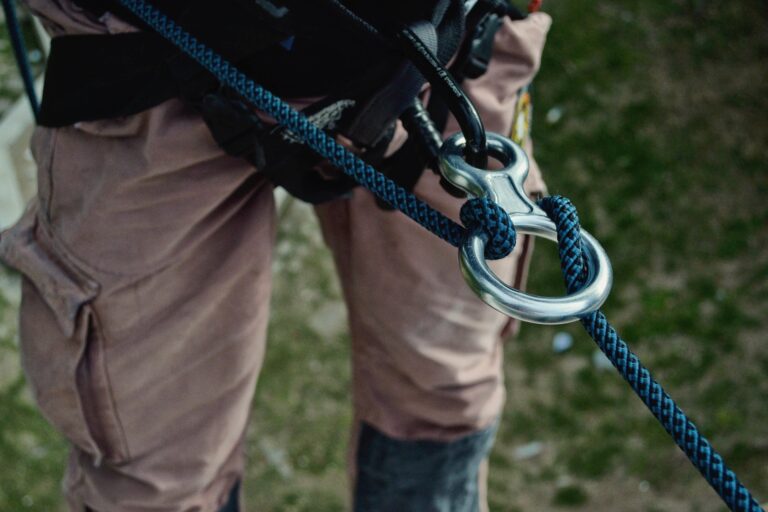
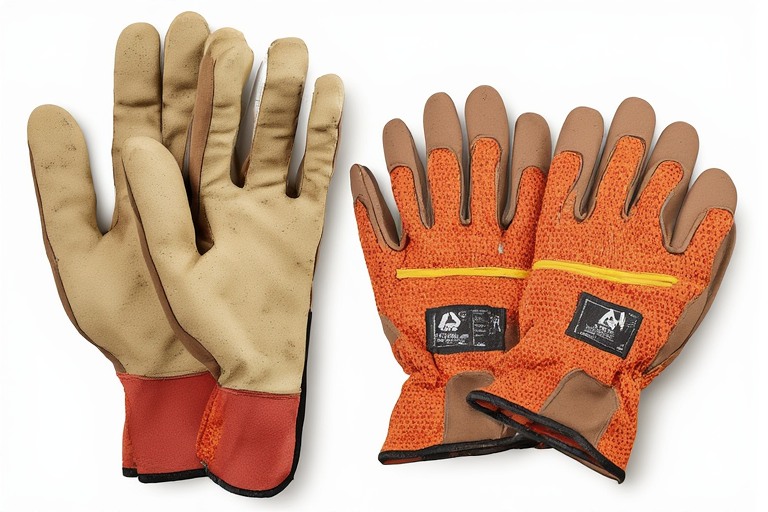
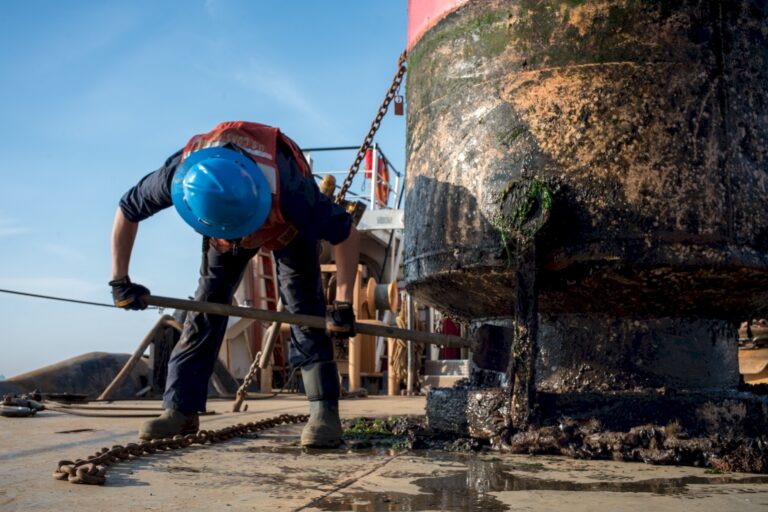
- Always take the time to put on safety equipment and follow safety instructions
- Dress appropriately for the job, including PPE, which can save you from serious injury
- Use the right tools for the job, and do not use the wrong tool because it’s more convenient
- Identify hazardous situations in advance
If you’re rushing through a task, your mind is on getting it done – not on what may happen next. Working carefully and deliberately gives you time to think about potential hazards and plan your actions.
DON’T:
- Remove safety guards or safety shields and continue to operate equipment without them
- Have the attitude that you can hurry “just this once”
- Fail to read the operator’s manual or heed safety warning signs
Don’t be in so much of a rush that you neglect your personal safety or the safety of those around you. Our first priority is your safety. When we rush, we jeopardize our well-being and sacrifice quality. In the end, rushing costs us all more time to get right.
Los peligros de la apresurada
Correr rápido es una característica de la naturaleza humana. Es natural querer terminar un trabajo lo antes posible porque te permite empezar la siguiente tarea antes y, en algunos casos, te da más tiempo para actividades más agradables. Muchos de nosotros también crecimos escuchando que es importante lograr todo lo posible, pero lo que a menudo no nos dicen es que precipitarse puede provocar accidentes, errores y más tiempo a largo plazo. Es más importante hacer nuestro trabajo correctamente y de forma segura.
Apresurarse para hacer nuestro trabajo puede causar lesiones tanto a nosotros mismos como a quienes nos rodean. Las estadísticas de una compañía de seguros muestran que el 92% de las veces, los accidentes ocurren porque los trabajadores no hacen bien sus tareas, y es poco probable que las realicen bien mientras se apresuran.
Consecuencias de la prisa
- Accidentes que involucran a ti y a compañeros de trabajo
- Errores que pueden resultar en un desperdicio de recursos
- Dedicar tiempo adicional a rehacer una tarea que se hizo mal
- Consecuencias a largo plazo:
- Lesión grave y dolor a largo plazo
- Facturas médicas costosas
- Riesgo de lesión incapacitante (que podría dejarte sin trabajo)
- Pérdida de ingresos por estar sin trabajo
Desarrolla una buena actitud de seguridad
Precipitarse resulta en descuido, y la negligencia conduce a accidentes. Tener una buena actitud de seguridad significa asumir la responsabilidad de tus acciones, y asumir la responsabilidad significa hacer el mejor trabajo posible, no el trabajo más rápido que puedas. Aquí tienes algunos ejemplos de actitudes que pueden meterte en problemas:
- “No tengo tiempo para pensar en la seguridad, y necesito terminar este trabajo ahora mismo.”
- “No tengo tiempo para ponerme todo ese equipo de protección. Hice un trabajo similar sin usarlo una vez antes y no me hice daño.”
- “He hecho este trabajo docenas de veces antes. No tengo tiempo para revisar el manual del operador.”
- “Sé que no se supone que debo tener prisa, pero realmente tengo que llegar a casa. Si termino rápido, puedo llegar antes.”
Peligros acelerados: Cosas que se deben y no se deben hacer
HACERLO:
- Piensa en las consecuencias de darse prisa
- Ten en cuenta que las prisas pueden causar lesiones graves para ti y tus compañeros
- Tómate siempre el tiempo para ponerte el equipo de seguridad y seguir las instrucciones de seguridad
- Vístete adecuadamente para el trabajo, incluyendo el equipo de protección personal, que puede evitarte lesiones graves
- Usa las herramientas adecuadas para el trabajo y no uses la herramienta equivocada porque te resulta más cómoda
- Identificar situaciones peligrosas con antelación
Si vas con prisa por una tarea, tu mente está en terminarla, no en lo que pueda pasar después. Trabajar con cuidado y deliberación te da tiempo para pensar en los posibles riesgos y planificar tus acciones.
NO LO HAGAS:
- Quita los protectores o escudos de seguridad y sigue operando el equipo sin ellos
- Ten la actitud de que puedes darte prisa “solo esta vez”
- No leer el manual del operador o prestar atención a las señales de seguridad
No tengas tanta prisa que descuides tu seguridad personal o la de quienes te rodean. Nuestra primera prioridad es tu seguridad. Cuando nos apresuramos, ponemos en riesgo nuestro bienestar y sacrificamos la calidad. Al final, la prisa nos cuesta a todos más tiempo para hacerlo bien.