




Safety Tips – April 17, 2026
Proper Lifting Techniques You might think that lifting is a risk-free activity but there are many hazards…
Proper Lifting Techniques
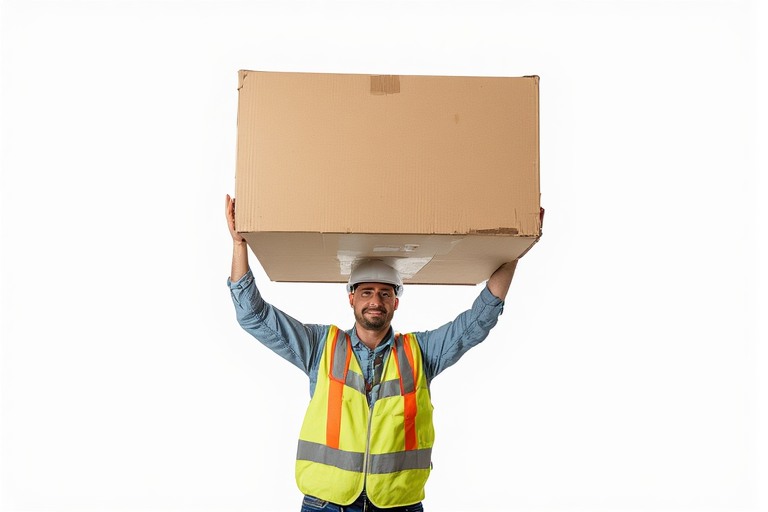
You might think that lifting is a risk-free activity but there are many hazards hidden in it. Research says that 75% of workers experience back injuries each year while performing lifting tasks. Back injury is the biggest illness that has a bad effect on the worker’s life, and this is the reason workers miss work.
Making sure that the employees have proper lifting techniques training that helps in making less illness to injuries. The biggest advantage of using OSHA-recommended lifting techniques teaches employees about the dangers while they are lifting and the importance of OSHA-safe lifting techniques no matter how heavy lifts they are lifting.
Here are some recommended lifting techniques to help in reducing injuries and other accidents.
- Plan Ahead
Before lifting the lifts, it is very important to check your surroundings and paths to make sure that the working area is flat, free from problems, and dry. First, plan where you will place the object and how you will be going there. Then check the object’s weight and see whether it is safe or not and whether it can be lifted by you alone or by a two-man lift.
- Warm Up And Stretch
To lift safely, stand close to the load as much as possible so you don’t have to exert much force on your back to extend the distance. Keep your body upright while bending your knees so that your legs do the lifting instead of your back. Look straight and keep your shoulder back to have a slight arch at your lower back.
- Lift Safely
To lift safely, stand close to the load as much as possible so you don’t have to exert much force on your back to extend the distance. Keep your body upright while bending your knees so that your legs do the lifting instead of your back. Look straight and keep your shoulder back to have a slight arch at your lower back.
- Carry With A Good Grip
Get a good grip on the loads and then use your feet to change the direction. Take small steps as you go to avoid an accident. As soon as you change the direction lead your hips and then keep your shoulders in line with the hip movement. Try keeping the load close to your body with your elbows at your sides.
- Set Down Safely
Lower the weight in reverse by lowering your legs. Keep the weight close to your body and your head up. Tight your stomach muscles and the weight close to your body. It may look like it is the easy part but you can have injured yourself. Sit safely with the loads you are picking up and then free them.
What should you avoid or focus on while lifting?
- Don’t hold your breath
- Working or lifting while you are fatigued
- Lifting the weights above the shoulder level
- Turning or twisting your body while lifting weights
- Attempting to carry a load that is too large or heavy for a single man
- Don’t bend but rather squat down to the weighs
- Use the grip with 1-2 fingers
- Make your vision focused while carrying the weights
Lifting and Material Handling
There are many more lifting and material handling techniques that should be kept in mind while lifting weights:
- Make sure to push the objects than pull as it is the safer act
- Limit the weight you are lifting and ensure they are no more than 50 pounds. If lifting weights heavier than 50 pounds, use two or more men to help you. If the weight is more than 100lbs then use machines for that.
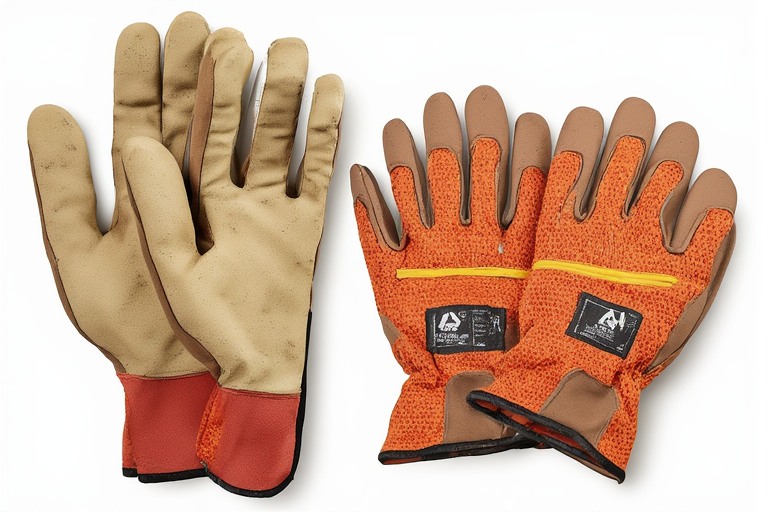
- Use PPE where needed such as good boots, gloves, and other accessories to avoid injuries.
- Try using materials that have good packaging with proper handholds that are easy to handle the lifts.
- Don’t use awkward postures such as crawling by tables, racks, and others. Stay in the proper posture to avoid injuries.
Conclusion
Check the lifting task for safety, know how much weight you can lift, and make sure that the load does not exceed your capability. Also, make sure that the path is clear and the floor is dry. Preparation and planning are important aspects of ergonomic lifting. Once you have planned for the lifting it will reduce the risk of injuries and accidents at the workplace.

Técnicas adecuadas de levantamiento
Podrías pensar que levantar pesas es una actividad libre de riesgos, pero hay muchos riesgos ocultos. Las investigaciones indican que el 75% de los trabajadores sufren lesiones de espalda cada año mientras realizan tareas de levantamiento. La lesión de espalda es la enfermedad más grave que afecta negativamente a la vida del trabajador, y esta es la razón por la que los trabajadores faltan al trabajo.
Asegurarse de que los empleados reciban una formación adecuada en técnicas de levantamiento que ayude a reducir las enfermedades o lesiones. La mayor ventaja de utilizar técnicas de levantamiento recomendadas por OSHA es enseñar a los empleados sobre los peligros mientras levantan y la importancia de las técnicas seguras para OSHA, independientemente de lo pesado que hagan.
Aquí tienes algunas técnicas recomendadas de levantamiento de pesas para ayudar a reducir lesiones y otros accidentes.
- Planificar con antelación
Antes de levantar los elevadores, es muy importante revisar el entorno y los caminos para asegurarse de que la zona de trabajo esté plana, libre de problemas y seca. Primero, planifica dónde colocarás el objeto y cómo vas a ir. Luego comprueba el peso del objeto y comprueba si es seguro o no, y si puedes levantarlo solo tú o con un levantamiento de dos personas.
- Calentar y estirarse
Para levantar con seguridad, mantente cerca de la carga tanto como sea posible para no tener que ejercer mucha fuerza sobre la espalda para alargar la distancia. Mantén el cuerpo erguido mientras flexiones las rodillas para que las piernas levanten en lugar de la espalda. Mira en posición recta y mantén el hombro hacia atrás para tener un ligero arco en la parte baja de la espalda.
- Elevar con seguridad
Para levantar con seguridad, mantente cerca de la carga tanto como sea posible para no tener que ejercer mucha fuerza sobre la espalda para alargar la distancia. Mantén el cuerpo erguido mientras flexiones las rodillas para que las piernas levanten en lugar de la espalda. Mira en posición recta y mantén el hombro hacia atrás para tener un ligero arco en la parte baja de la espalda.
- Llevar con buen agarre
Agarra bien las cargas y luego usa los pies para cambiar de dirección. Da pequeños pasos sobre la marcha para evitar un accidente. En cuanto cambies de dirección, dirige las caderas y mantén los hombros alineados con el movimiento de la cadera. Intenta mantener la carga cerca del cuerpo con los codos a los lados.
- Aterrizar con seguridad
Baja el peso en reversa bajando las piernas. Mantén el peso cerca del cuerpo y la cabeza en alto. Tensa los músculos del estómago y el peso cerca de tu cuerpo. Puede parecer que es la parte fácil, pero puede que te hayas lesionado. Siéntate con seguridad con las cargas que recoges y luego libéralas.
¿Qué deberías evitar o en qué deberías centrarte mientras levantas pesas?
- No te hagas ilusiones
- Trabajar o levantar pesas mientras estás fatigado
- Levantar las pesas por encima del nivel de los hombros
- Girar o girar el cuerpo mientras levantas pesas
- Intentar cargar una carga demasiado grande o pesada para un solo hombre
- No te agaches, sino que te agaches hasta los pesos
- Usa el agarre con 1-2 dedos
- Enfoca tu visión mientras llevas las pesas
Elevación y manipulación de materiales
Hay muchas más técnicas de levantamiento y manipulación de materiales que hay que tener en cuenta al levantar pesas:
- Asegúrate de empujar los objetos en vez de tirar, porque es el acto más seguro
- Limita el peso que levantas y asegúrate de que no superen los 50 libras. Si levantas pesas superiores a 50 libras, utiliza a dos o más hombres para ayudarte. Si el peso supera los 100 libras, entonces usa máquinas para eso.
- Utiliza EPI cuando sea necesario, como buenas botas, guantes y otros accesorios para evitar lesiones.
- Prueba con materiales que tengan buen embalaje y con agarres adecuados y fáciles de manejar en los levantamientos.
- No uses posturas torpes como arrastrarte junto a mesas, estantes y otros. Mantente en la postura correcta para evitar lesiones.
Conclusión
Revisa la tarea de levantamiento para comprobar la seguridad, saber cuánto peso puedes levantar y asegurarte de que la carga no supere tu capacidad. Además, asegúrate de que el camino esté despejado y que el suelo esté seco. La preparación y la planificación son aspectos importantes del levantamiento ergonómico. Una vez que hayas planeado el levantamiento, reducirá el riesgo de lesiones y accidentes en el lugar de trabajo.