




Safety Tips – June 19, 2026
Scaffolding Hazards And How To Prevent Them One of the most dangerous safety threats on U.S. building…
Scaffolding Hazards And How To Prevent Them
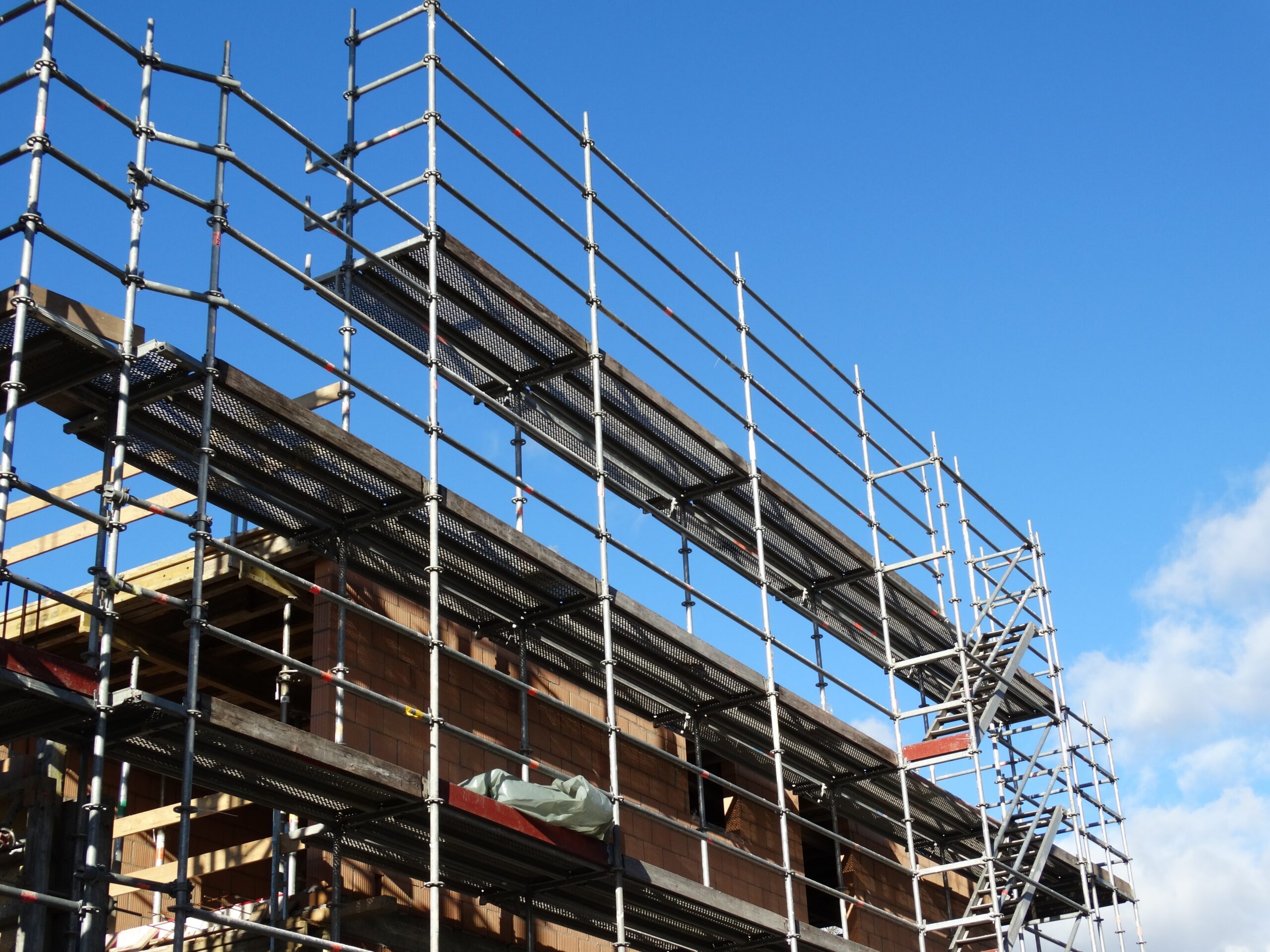
One of the most dangerous safety threats on U.S. building sites is scaffolding hazards. Some of these risks are falling from a height, the structure collapsing, tools or debris falling, getting electrocuted by above electrical lines, and overloading the platform. OSHA in the United States oversees scaffolding safety under 29 CFR 1926 Subpart L. This law has tight rules about load capacity, fall protection, inspections, and worker safety. Unsafe scaffolding has the potential that may result in serious injuries and in some cases can even be fatal. Hence proper fixing of scaffolding equipment and checking every scaffolding safety regulation is of utmost importance.
Most injuries that happen on scaffolding in the U.S. can be avoided if the right systems, inspections, and OSHA-compliant practices are used. This guide talks about the most prevalent scaffolding dangers in the US and gives contractors clear ways to avoid them right now.
What Are Scaffolding Hazards?
Scaffolding hazards are safety dangers that come with putting up, using, and taking down scaffolding systems on construction sites. The most common dangers in the U.S. are:
- Falls from high platforms
- Scaffold falls because it is unstable
- Tools or materials that fall
- Being electrocuted by electrical lines close
- Too much load beyond the rated capacity
- Unsafe access or climbing the wrong way
These dangers can cause serious injuries, OSHA fines, project delays, and lawsuits.
Why Scaffolding Safety Matters in the United States
OSHA said that falls are still one of the most common causes of injury and deaths on construction sites across the country. A lot of scaffold accidents happen because of:
- No guardrails
- Putting the planks in the wrong way
- Foundations that aren’t stable
- Not enough acceptable inspections
- Not paying attention to the load ratings from the manufacturer
Even slight faults during installation can ruin the whole structure.
Using engineered systems or certified frame scaffolding systems makes structures stronger and more compliant.
OSHA Scaffolding Regulations (29 CFR 1926 Subpart L)
29 CFR 1926 Subpart L of the Occupational Safety and Health Administration (OSHA) rules safety requirements for scaffolding in the United States.
Some important OSHA rules are:
- Scaffolds need to be able to hold their own weight and four times the maximum load they are meant to hold.
- Platforms that are more than 10 feet above a lower level must have guardrails.
- Before each work shift, a “competent person” must check the scaffolding.
- You need to make sure there is a way to get to the area (steps or ladders).
- There must always be a safe distance between electrical power lines.
If you don’t follow these rules, you could face big fines and orders to quit working.
The Most Common Scaffolding Hazards and How to Prevent Them
- Falls from Height – Falls are the most common danger when using scaffolding in the U.S.
Here are some reasons why:
- No guardrails
- Planks that are slippery or not safe
- Instead of stairs, climbing frames
- No protection from falling
Prevention:
- Put in full guardrail systems (top rail and mid rail).
- Check and secure scaffold planks
- Use access systems that meet OSHA standards
- Make sure the platforms are clean and dry.
- Scaffold Collapse – Structural failure can cause a lot of injuries and put you at a lot of risk for lawsuits.
Causes:
- Ground that is weak or uneven
- There is no diagonal bracing.
- Parts that are broken
- Putting things together wrong
- Too much loading
Prevention:
- Make sure the base plates and sole boards are put on correctly
- Make sure that all levels are properly braced.
- Follow the engineering specs given by the manufacturer
- Check the vertical alignment
- Falling Objects – Tools, materials, and trash that fall from scaffolds are quite dangerous for workers below.
Causes:
- No toe boards
- Tools that aren’t locked up
- Platforms that are too full
Prevention:
- Put in toe boards
- When you need to, use debris netting.
- Keep platforms neat and tidy
- Electrocution Hazards – If metal scaffolding is too close to live power lines, it can conduct electricity.
Prevention:
- Keep the required clearance distances.
- When necessary, work with utility companies
- Teach staff how to spot electrical dangers
- Overloading – Every scaffold system has a maximum load it can hold. Going over this limit greatly raises the chance of collapse.
Prevention:
- Check the load charts
- Spread out the materials evenly.
- Use planking systems that are strong enough to hold up.
- Don’t stack too many things on platforms.
- Unsafe Access – When workers climb bracing or structural parts, the risk of falling goes up.
Prevention:
- Install scaffold stairs to stop accidents.
- Use ladder systems that are safe
- Don’t ever climb cross braces.
Safe access methods cut down on falls by a lot.
Scaffolding Injury Statistics in the United States
According to OSHA, thousands of people in the U.S. hurt themselves on scaffolds every year, and falls are the most common cause. Most accidents happen because there isn’t enough fall protection, the foundations aren’t stable, or there isn’t enough inspection.
Properly recognizing hazards and following OSHA rules greatly lowers the number of accidents.
Daily Scaffold Safety Checklist
Before every shift:
- Check the toe boards and guardrails
- Check that the planks are safe and not broken.
- Check the stability of the base plates and the soil.
- Check the diagonal bracing
- Make sure the load limits are not exceeded.
- Make sure there is a safe distance from electrical lines
- Check that an expert has done the inspection.
One of the best ways to stop something from happening is to inspect it regularly.
Choosing OSHA-Compliant Scaffolding Systems
When choosing scaffolding systems in the US, contractors should look for:
- Following ANSI and OSHA rules
- Load ratings that were designed
- Guardrail systems that have been certified
- Heavy-duty planks
- Locking mechanisms that can be changed
- Galvanization that doesn’t rust
Putting money into systems that are rated correctly lowers the risk of having to deal with problems during inspections and in the future.
Peligros de andamiaje y cómo prevenirlos
Una de las amenazas de seguridad más peligrosas en las obras de construcción de EE. UU. son los peligros relacionados con andamios. Algunos de estos riesgos son caer desde altura, el colapso de la estructura, la caída de herramientas o escombros, electrocutar por encima de las líneas eléctricas y sobrecargar la plataforma. OSHA en Estados Unidos supervisa la seguridad de los andamios bajo el 29 CFR 1926 Subparte L. Esta ley tiene normas estrictas sobre capacidad de carga, protección contra caídas, inspecciones y seguridad laboral. Los andamios inseguros pueden causar lesiones graves y, en algunos casos, incluso ser mortales. Por ello, la instalación adecuada del equipo de andamios y la revisión de cada normativa de seguridad sobre andamios es de suma importancia.
La mayoría de las lesiones que ocurren en andamios en EE. UU. pueden evitarse si se utilizan los sistemas adecuados, inspecciones y prácticas compatibles con OSHA. Esta guía habla de los peligros más comunes de andamios en Estados Unidos y ofrece a los contratistas formas claras de evitarlos en este momento.
¿Qué son los peligros de andamiaje?
Los peligros relacionados con andamios son riesgos de seguridad que conllevan montar, usar y desmontar sistemas de andamios en obras de construcción. Los peligros más comunes en EE. UU. son:
- Caídas desde plataformas altas
- El andamio cae porque es inestable
- Herramientas o materiales que caen
- Ser electrocutado por el cierre de líneas eléctricas
- Demasiada carga más allá de la capacidad nominal
- Acceso inseguro o trepar en sentido equivocado
Estos peligros pueden causar lesiones graves, multas de la OSHA, retrasos en proyectos y demandas.
Por qué importa la seguridad de los andamios en Estados Unidos
OSHA afirmó que las caídas siguen siendo una de las causas más comunes de lesiones y muertes en obras de todo el país. Muchos accidentes con andamios ocurren debido a:
- Sin barreras de protección
- Poner las tablas en la dirección equivocada
- Cimientos que no son estables
- No hay suficientes inspecciones aceptables
- No prestar atención a las especificaciones de carga del fabricante
Incluso pequeños fallos durante la instalación pueden arruinar toda la estructura.
El uso de sistemas diseñados o de estructuras certificadas de estructura hace que las estructuras sean más fuertes y más conformes.
Reglamentos de Andamios de OSHA (29 CFR 1926 Subparte L)
29 CFR 1926 Subparte L de la Administración de Seguridad y Salud Ocupacional (OSHA) establece los requisitos de seguridad para andamios en Estados Unidos.
Algunas normas importantes de OSHA son:
- Los andamios deben poder soportar su propio peso y cuatro veces la carga máxima que están destinados.
- Los andenes que estén a más de 3 metros por encima de un nivel inferior deben tener barandillas de protección.
- Antes de cada turno de trabajo, una “persona competente” debe revisar el andamio.
- Tienes que asegurarte de que hay una forma de llegar a la zona (escaleras o escaleras).
- Siempre debe haber una distancia segura entre las líneas eléctricas.
Si no sigues estas normas, podrías enfrentarte a grandes multas y órdenes de dejar de trabajar.
Los peligros más comunes en andamios y cómo prevenirlos
- Caídas desde altura: las caídas son el peligro más común al usar andamios en EE. UU.
Aquí tienes algunas razones por las que:
- Sin barreras de protección
- Tablas resbaladizas o inseguras
- En lugar de escaleras, escaleras
- Sin protección contra caídas
Prevención:
- Instala sistemas completos de barreras (raíl superior y raíl central).
- Comprobar y asegurar las tablas del andamio
- Utiliza sistemas de acceso que cumplan con los estándares OSHA
- Asegúrate de que las plataformas estén limpias y secas.
- Colapso de andamios – Un fallo estructural puede causar muchas lesiones y exponer a un gran riesgo de demandas.
Causas:
- Terreno débil o irregular
- No hay refuerzos diagonales.
- Partes rotas
- Juntar las cosas mal
- Demasiada carga
Prevención:
- Asegúrate de que las placas de base y las suelas estén bien colocadas
- Asegúrate de que todos los niveles estén bien reforzados.
- Sigue las especificaciones de ingeniería proporcionadas por el fabricante
- Comprueba la alineación vertical
- Objetos que caen – Las herramientas, materiales y basura que caen de andamios son bastante peligrosos para los trabajadores que están debajo.
Causas:
- Sin toes boards
- Herramientas que no están cerradas con llave
- Plataformas demasiado llenas
Prevención:
- Poner punteras
- Cuando lo necesites, usa una malla antiescombros.
- Mantén las plataformas ordenadas y ordenadas
- Riesgos de electrocución – Si los andamios metálicos están demasiado cerca de las líneas eléctricas activas, pueden conducir electricidad.
Prevención:
- Mantén las distancias de espacio requeridas.
- Cuando sea necesario, colabora con las compañías eléctricas
- Enseña al personal a detectar peligros eléctricos
- Sobrecarga – Todo sistema de andamiaje tiene una carga máxima que puede soportar. Superar este límite aumenta considerablemente la posibilidad de colapso.
Prevención:
- Consulta los gráficos de carga
- Distribuye los materiales de forma uniforme.
- Utiliza sistemas de tablones lo suficientemente resistentes para aguantar.
- No apiles demasiadas cosas en plataformas.
- Acceso inseguro – Cuando los trabajadores trepan refuerzos o piezas estructurales, aumenta el riesgo de caída.
Prevención:
- Instala escaleras en andamios para evitar accidentes.
- Utiliza sistemas de escaleras seguros
- Nunca subas por los refuerzos cruzados.
Los métodos de acceso seguro reducen mucho el número de caídas.
Estadísticas de lesiones por andamios en Estados Unidos
Según OSHA, miles de personas en EE. UU. se lesionan en andamios cada año, y las caídas son la causa más común. La mayoría de los accidentes ocurren porque no hay suficiente protección contra caídas, los cimientos no son estables o no hay suficiente inspección.
Reconocer correctamente los peligros y seguir las normas de la OSHA reduce considerablemente el número de accidentes.
Lista diaria de seguridad de andamios
Antes de cada turno:
- Revisa las punteras y las barandillas
- Comprueba que las tablas estén seguras y no rotas.
- Comprueba la estabilidad de las placas base y del suelo.
- Revisa el refuerzo diagonal
- Asegúrate de que no se excedan los límites de carga.
- Asegúrate de que haya una distancia segura de las líneas eléctricas
- Comprueba que un experto haya realizado la inspección.
Una de las mejores formas de evitar que ocurra algo es inspeccionarlo regularmente.
Elegir Sistemas de Andamios Compatibles con OSHA
Al elegir sistemas de andamios en EE. UU., los contratistas deberían fijarse:
- Siguiendo las normas de ANSI y OSHA
- Capacidades de carga diseñadas
- Sistemas de barreras de protección certificados
- Tablas de gran resistencia
- Mecanismos de bloqueo que pueden modificarse
- Galvanización que no se oxida
Invertir dinero en sistemas correctamente valorados reduce el riesgo de tener que lidiar con problemas durante las inspecciones y en el futuro.